
Liquid Death: How a Water Company Created a Market Where the Giants Didn’t Matter
How does a brand new company enter one of the most crowded industries in the world and build a fan base that billion-dollar competitors can’t touch?
The answer wasn’t better water. It was a different target market.
Imagine deciding to launch a new water brand… not energy drinks… not beer… not spirits. Water.
And you realize it’s a market packed with brands that have been around for decades.
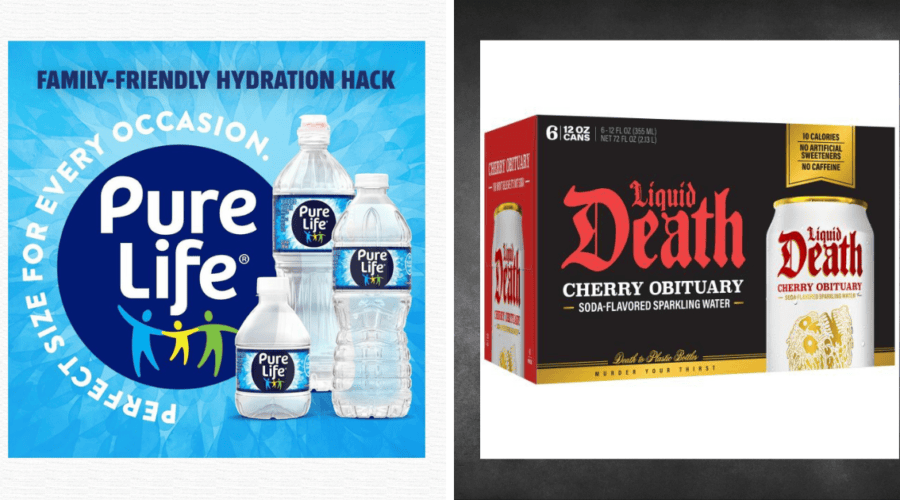
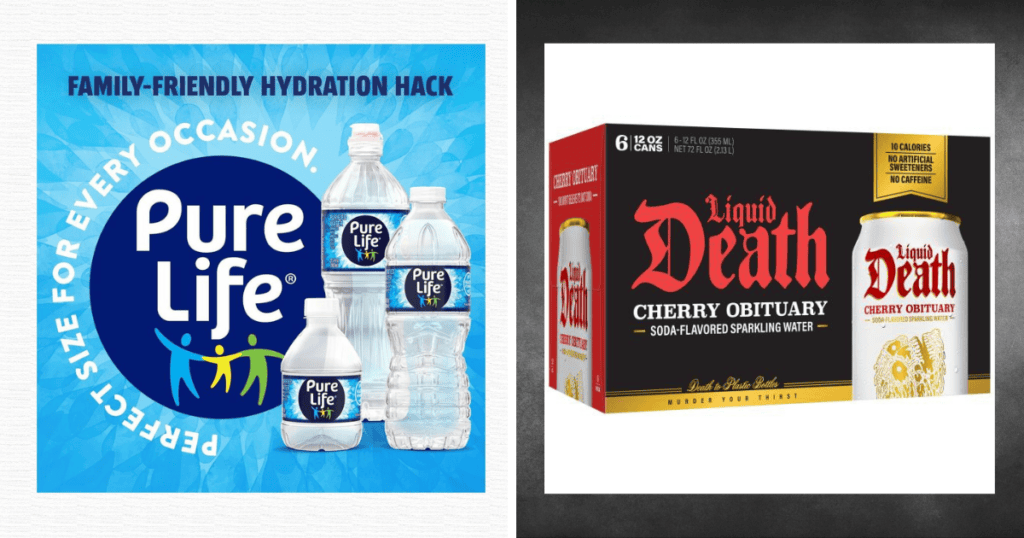
Some are backed by billion dollar companies, like Nestle’s Pure Life. Some are backed by celebrities and nepo babies, like JUST Water by Jaden Smith.
You quickly notice that the one thing most of these brands have in common are their virtually endless marketing budgets.
And most already have a customer base that they own within the industry, sucking up millions of customers away from your potential stratosphere.
So, how do you compete?
Liquid Death Hit the Water Market with a Twist: Death to Plastic
If you’re smart – no pun intended – you don’t try to. It’s nearly impossible for a brand new brand to compete with one that’s been established for decades.
Instead of trying to appeal to everyone, Liquid Death built a brand for people who were tired of polished, corporate, healthy lifestyle marketing.
They didn’t just create another water brand. They created one that spoke their customers’ language.
The name alone tells a story. But instead of giving their customers a sappy story about living a healthy lifestyle, they created a water brand that went against the grain.
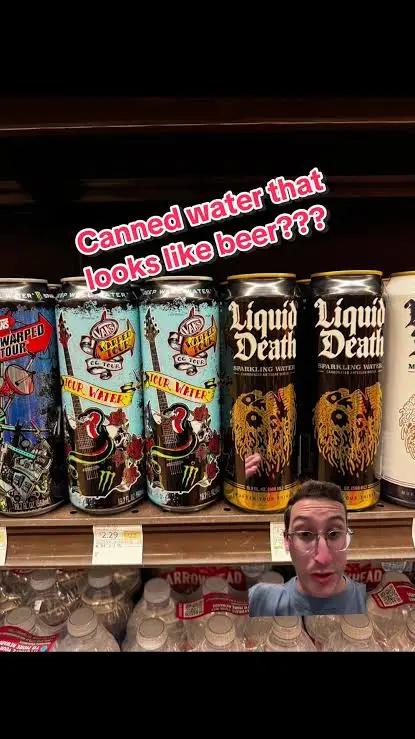
When I first saw Liquid Death in stores, I thought it was another energy drink. Once I realized it was actually canned water, I just had to know more about it.
Slogans Their Fans Can’t Resist
For the record, their name coincides with their slogan, ‘Death to Plastic,’ which shows their dedication to the environment. But the flavor names and ad campaigns tell an even deeper story… one that proves you don’t have to be traditional – and boring – to sell water.
They didn’t try to sound like every other water company. They spoke their own language. And people who already spoke that language found them and became instant fans.
People don’t become fans because your product is different. They become fans because they see themselves in your brand. That’s what brand identity is really about.
It’s the identity your customers see in themselves when they connect with your brand.
Liquid Death didn’t just create a brand identity. They created an identity their customers wanted to be part of. And that’s how they created a market — a loyal fan base — of their own.
Demographics vs Psychographics: Death to Plastic
Most old school water brands still focus on demographics when marketing, For them, it’s about their target customers social categories, such as:
- Age
- Gender
- Race
- Ethnicity
- Economic status
- Educational level
- Income level
- Geographical location
These are called demographics. They are based on who people are. It puts very different people in the same boxes that don’t always represent why they spend money these days.
That’s the old school way of choosing target markets and deciding how to advertise and market to them.
What Are Psychographics?
These are customer “categories” based on psychological characteristics you share with them, such as:
- Values
- Attitudes
- Lifestyles
- Interests
- Personality traits
Psychographics focus more on why people make the choices they make, including spending money.
Brands that speak their customers’ language create followers instead of just customers.
Trying to Win a Saturated Market vs Owning Your Own Market
Liquid Death looked at the market it was jumping into and realized everyone was focused on health and wellness. Everything from their bottles to the ad campaigns represented purity and safety.
Liquid Death realized that if they used their personality to reel in people who think like them, they could create their own market in the world of water and actually rule it. Instead of just selling water, they wanted to sell personality.
Not everyone who drinks water connects with clean, polished, corporate branding. Some people don’t want to be inspired by their water. Instead, they just want a brand with personality.
In a world where the internet, and particularly social media, give us access to more diversity when it comes to choices. Some choose to connect with brands more like them. They like authenticity, no matter what that may be.
Attitude and Humor Are Their Language
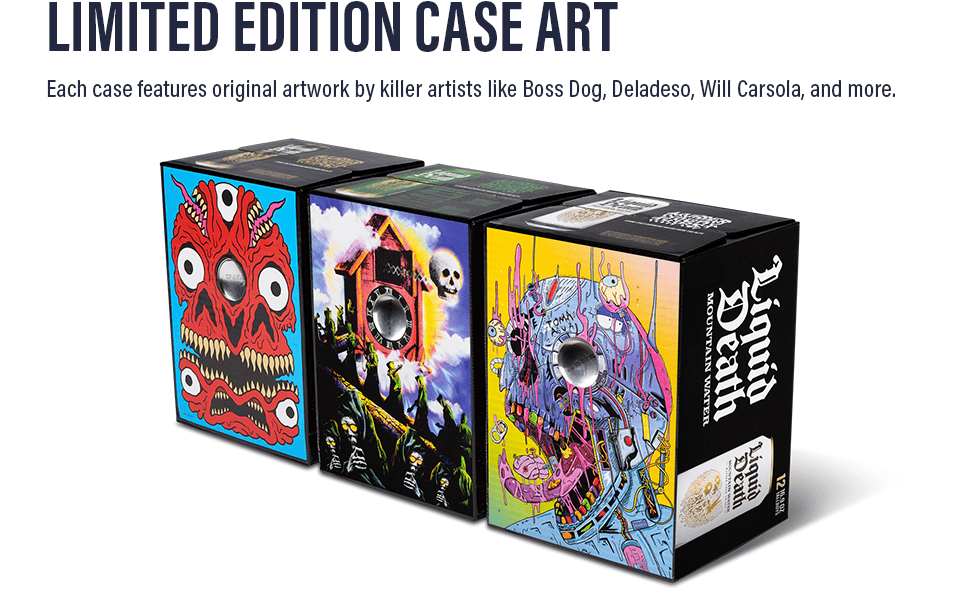
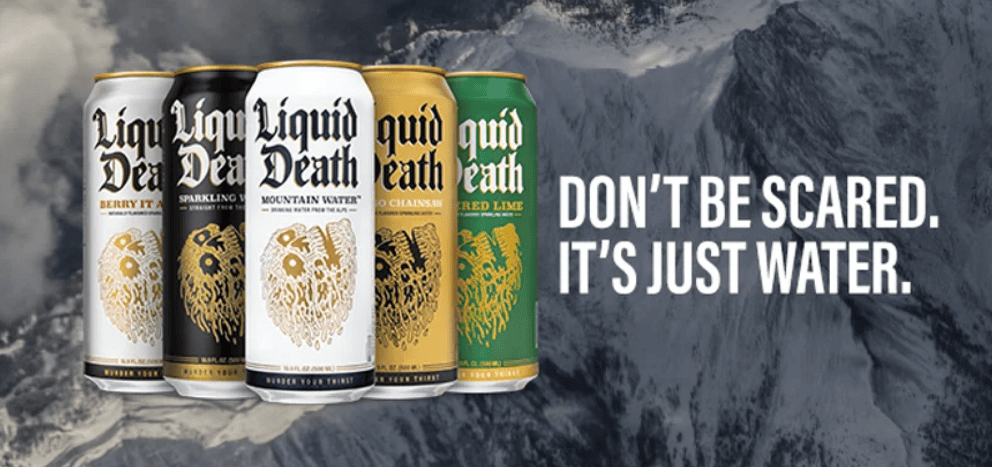
Liquid Death became the water with attitude and humor… that also hates plastic and the impact it has on the environment. So, instead of becoming just another “bottled” water brand, they defied the norm and went with a metal can that makes a loud, bold statement.
But to be clear, the metal aesthetic wasn’t what reeled people in. It was that language they shared.
Rather than using gentle environmental messaging, Liquid Death’s “Death to Plastic” campaign declares war on single-use plastic.
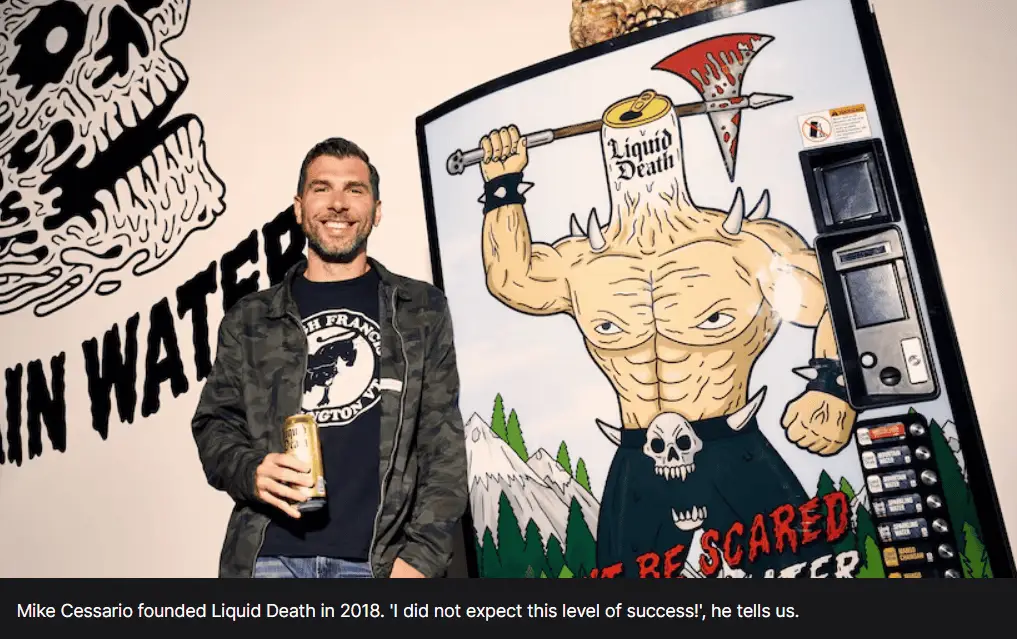
Through dark humor, heavy metal-inspired branding, and bold advertising, the company positions its “infinitely recyclable” aluminum cans as the rebellious alternative to plastic bottles.
What’s Up with the Word “Death”?
Most water brands try to make you feel refreshed, pure, and healthy. Liquid Death makes you stop and ask, “Wait… what?”
The traditional route doesn’t come close to describing their language. The name alone, Liquid Death, makes edgy water drinkers stop and wonder what it’s about.
As they say, it won’t kill you, but it will “murder your thirst.” Other phrases speak directly to their target market as well, such as:
- Twerking on your thirst’s grave
- Help kill plastic pollution
- Turning the human race into flesh batteries
“Why? For centuries, all the funniest and coolest marketing and branding was only done for unhealthy products like beer, cigarettes, fast food, candy, and other junk food. But those days are over,” says brand reps.
Their goal was to make the brand’s story interesting and more relatable to people who think like them… rebels who spoke their language.
Stop Competing. Create Your Own Market.
Why did they choose this approach versus the way all the other water brands approach marketing?
Because the market was flooded with brands with established customer bases and outrageous marketing budgets. And they knew they couldn’t compete with that.
So, instead of trying to compete, they chose to carve out their own fan base within the market, speak their language, and give them something created specifically for them. Now, that’s good target marketing.
What Business Owners Can Learn from Liquid Death
- Most businesses ask, “How do I get customers away from my competitors?”
- Liquid Death asked, “Who already thinks like us, but isn’t being spoken to?”
That’s a completely different question. And the answer created a market they could actually own.
So, they set out to understand what those people – their target market – care about, and build a brand and products that feel like they hit the market just for them.
Liquid Death didn’t win because they had a better product. They won because they understood their target market.
The Real Lesson From Liquid Death
The biggest lesson business owners can learn from Liquid Death isn’t about water. It’s about knowing exactly who you’re trying to reach.
They didn’t try to convince everyone to buy their product. They found the people who already shared their mindset, learned what mattered to them, and built a brand that felt like it was created specifically for them.
Who Are Your People?
That’s what understanding your target market actually does. It helps you stop guessing what customers want and start building your business around the people most likely to connect with you.
In my Target Market course, I walk through how to identify your ideal customers based on your own language, understand what motivates them, and create marketing that speaks their language.
Because the goal isn’t to reach everyone. The goal is to find your people, and target them with language they relate to. We’ll help you discover who they are and how to speak their language.

